“Presence Without Power Is Submission”
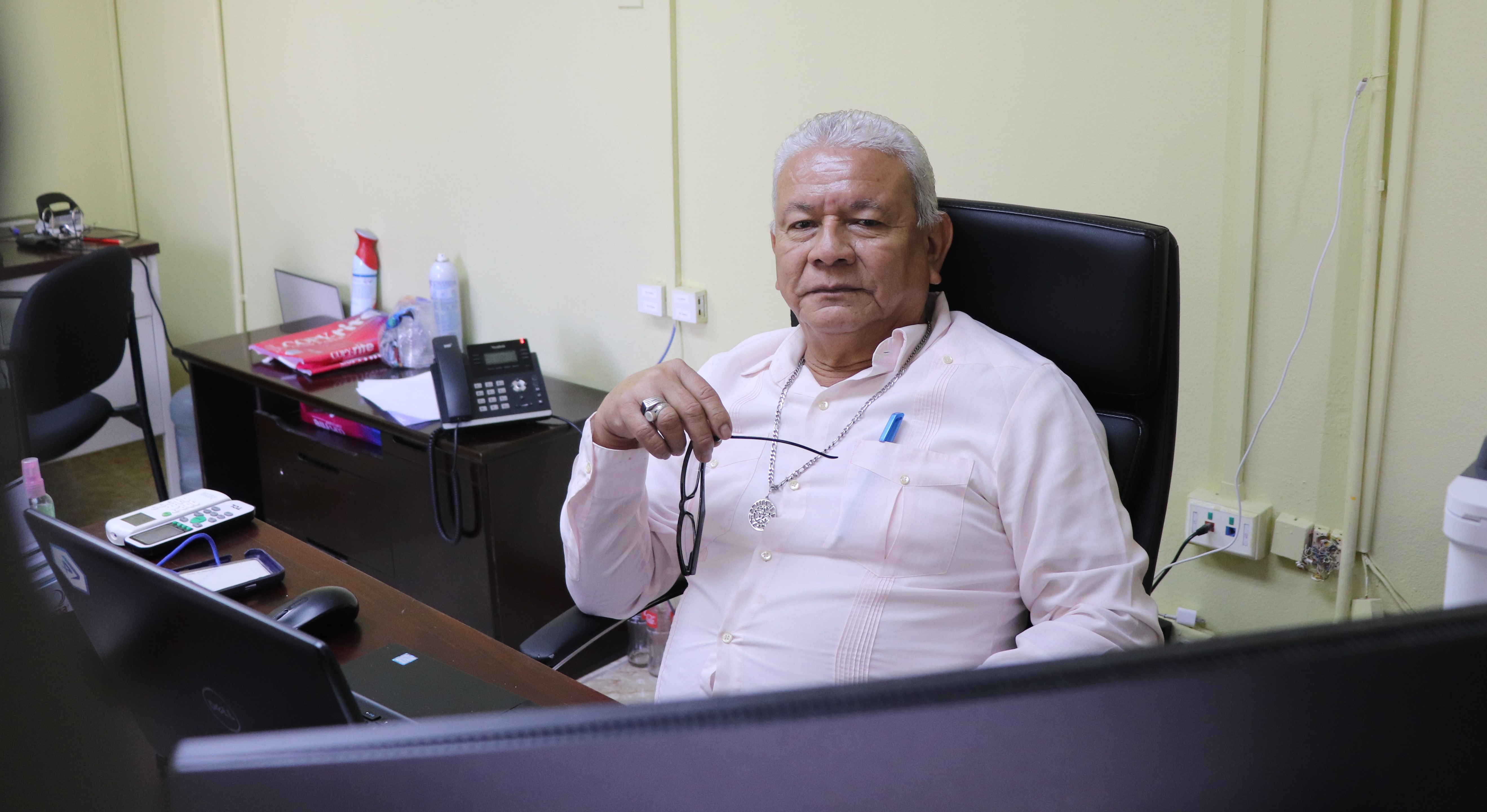

By: Omar Silva I Editor/Publisher
NATIONAL PERSPECTIVE BELIZE – Digital 2026
Belize City: Wednesday 25th March 2026
📰 EDITORIAL —
Belize at the Table—But On Whose Terms?
Belize will take its seat this week in Washington, D.C., among First Ladies and high-level social envoys from across the Americas, gathered under the polished theme of “soft power” and social action.
It sounds dignified. It sounds progressive. It sounds necessary.
But let us not be distracted by the language of diplomacy.
Let us confront the truth.
Belize must not confuse presence with power.
Sitting at the table means nothing—unless we know what is being served, who prepared it, and what it will cost us tomorrow.
Because in today’s geopolitical reality, tables are not neutral spaces.
They are designed arenas of influence.
And more often than not, the menu is written long before smaller nations like Belize even arrive.
The Illusion of Inclusion
We are told this forum is about leadership, about women shaping the future, about social transformation through compassion and cooperation.
But beneath that carefully curated narrative lies a more strategic objective:
- To shape policy direction across the region—
- not through elected chambers,
- not through national debate,
- but through soft channels of influence.
This is how modern power operates.
No longer through force alone,
but through ideas, funding, partnerships, and narratives.
And Belize, once again, is invited—not as an architect—but as a participant.
Soft Power or Soft Conditioning?
Let us ask the uncomfortable question:
When Belize engages in these forums,
are we influencing the agenda—
or absorbing one?
Because too often, what is presented as “support” becomes:
- Policy templates imported without context
- Social programs designed abroad
- Funding tied to conditions quietly accepted
This is not partnership.
This is alignment—on someone else’s terms.
The Danger of Symbolic Representation
There is nothing inherently wrong with representation.
But representation without negotiation is performance.
If Belize attends only to:
- Listen
- Agree
- Applaud
Then we are not exercising diplomacy.
We are endorsing frameworks we did not design.
And in doing so, we risk becoming implementers of policies that:
- Do not reflect our realities
- Do not address our economic structure
- Do not empower our people beyond dependency
Where Is the National Interest?
Belize does not need more symbolic engagement.
Belize needs:
- Economic transformation
- Industrial development
- Sovereign policy direction
No amount of “soft power dialogue” will fix:
- Rising cost of living
- Structural unemployment
- Dependence on imports and external financing
If these issues are not central to our voice at that table—
then our presence is irrelevant.
What Must Be Done
Belize’s representation must shift from:
Participation → Positioning
From:
Listening → Leveraging
From:
Presence → Power
We must:
- Challenge imported frameworks
- Demand alignment with national priorities
- Refuse programs that do not lead to measurable economic and social independence
Anything less is not diplomacy.
It is submission dressed as cooperation.
Final Word
The world is changing.
Power is no longer always loud—it is subtle, strategic, and often wrapped in the language of goodwill.
But Belize must be wise enough to recognize:
Not every invitation is an opportunity.
Some are tests of sovereignty.
And history has shown—
nations that fail those tests do not lose overnight.
- They lose gradually…
- through agreements they did not fully question,
- through policies they did not fully shape,
- through influence they did not fully understand.
Belize must not be one of them.
- Log in to post comments