Belize Is Not Weak—It Is Unprepared
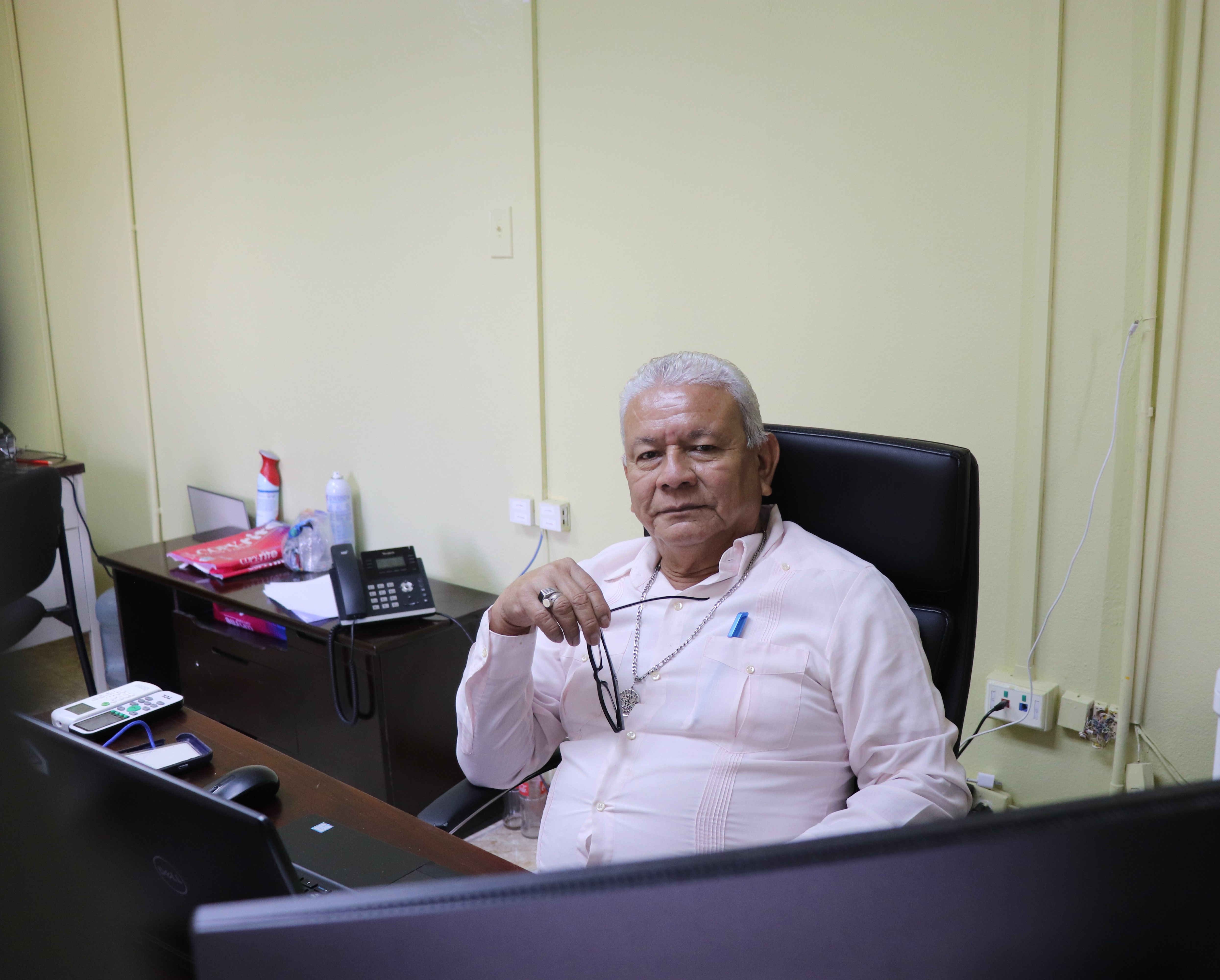
By: Omar Silva I Editor/Publisher
National Perspective Belize
Belize City: Sunday 8th February 2026
Editorial
Belize is often described as a weak country.
That description is repeated in diplomatic circles, whispered in regional security briefings, and accepted far too easily at home.
But Belize is not weak.
Belize is unprepared.
And that is a very different thing.
Weakness is a condition imposed by nature.
Unpreparedness is a condition imposed by policy.
And policy is the responsibility of governments—past and present.
Sovereignty Has Never Been a Flagship Priority
Since Independence, Belize has spoken the language of sovereignty but has rarely acted with the discipline required to defend it.
Neither of the two dominant political parties—blue nor red—has ever launched a serious national initiative to place national security as the flagship of sovereignty and territorial integrity.
Defense has never been treated as a strategic pillar of statehood.
It has been treated as an expense.
And expenses, in the logic of political convenience, are always trimmed first.
The Budget That Shrinks While the Risks Grow
Year after year, defense allocations are adjusted not by strategic necessity, but by fiscal convenience.
The result is predictable:
- Limited procurement
- Limited modernization
- Limited long-term planning
Meanwhile, the risks surrounding Belize do not shrink:
- Organized crime networks expand.
- Maritime trafficking routes shift closer.
- Regional instability increases.
- Territorial tensions remain unresolved.
Threats evolve.
Budgets stagnate.
That is not prudence.
That is neglect.
The Illusion of Security Through Donations
Perhaps the most visible symbol of this neglect is the continued reliance on donated equipment.
Patrol vessels donated.
Vehicles donated.
Surveillance equipment donated.
Even basic operational tools often arrive through foreign assistance rather than national procurement.
Assistance between nations is normal.
Dependence is not.
A defence force built primarily on donations is not a force designed by national strategy.
It is a force shaped by the surplus of others.
And surplus is rarely modern.
A Doctrine Frozen in Time
The Belize Defence Force was formed in another era, under another strategic environment, with a doctrine suited to the conditions of that time.
But the world changed:
- Criminal organizations became transnational.
- Maritime trafficking intensified.
- Intelligence and surveillance became central to modern security.
- Technology transformed warfare and enforcement alike.
Yet Belize’s defence philosophy has remained largely static.
An institution cannot operate in the 21st century using a mindset shaped in the late 1970s.
Geography Does Not Forgive Complacency
Belize occupies a strategic crossroads.
This is not rhetoric. It is geography.
A country located between major trafficking corridors, bordering two nations, and facing open sea cannot afford to treat defense as an afterthought.
Geography imposes responsibility.
Ignoring that responsibility does not reduce risk—it multiplies it.
The Cost of Political Short-Term Thinking
The deeper problem is not equipment or budgets alone.
It is the absence of long-term national vision.
Défense planning requires:
- Twenty-year horizons
- Institutional continuity
- Strategic doctrine insulated from electoral cycles
But in Belize, policy rarely looks beyond the next election.
And sovereignty cannot be defended on a five-year timetable.
Belizeans Must Ask the Hard Question
If sovereignty is sacred—as every Independence Day speech proclaims—then why has it never been treated as a central organizing principle of national policy?
Why has there never been:
- A comprehensive national security doctrine?
- A long-term modernization plan?
- A strategic procurement policy?
- A permanent parliamentary review of defense readiness?
These are not luxuries of rich nations.
They are necessities of responsible ones.
Strength Is Not Only Measured in Weapons
True national strength is not measured only in firepower.
It is measured in:
- Preparedness
- Planning
- Institutional discipline
- Strategic foresight
On these measures, Belize has much work to do.
Not because Belize lacks potential.
But because Belize has never demanded more of itself.
The Truth Belize Must Face
Belize is not weak.
Its people are resilient.
Its geography is significant.
Its institutions, though strained, remain functional.
What Belize lacks is preparation.
Preparation requires leadership.
Preparation requires vision.
Preparation requires the courage to think beyond the comfort of the present.
And that courage has been in short supply.
A Final Reality
History shows that small nations rarely lose their sovereignty suddenly.
- They lose it gradually:
- Through neglect.
- Through complacency.
- Through the quiet belief that preparation can always wait.
But preparation cannot wait forever.
Because geography never sleeps.
And the world never stops moving.
- Log in to post comments