📰CRISIS ON THE STREETS: Belize’s Mentally Ill Abandoned, Public Safety in Peril
By: Omar Silva – Editor/Publisher
National Perspective Belize I Digital 2025
Belize City: Tuesday 30th December 2025
The streets of Belize have become stages for silent suffering, and now, terrifying violence.
On Christmas Eve 2025, Belizeans were stunned by footage of two women viciously assaulted in broad daylight by a mentally ill man—Kareem Anderson—wandering the streets without treatment, supervision, or shelter. The brutal punches caught on video were more than isolated incidents; they were a visceral punch to our national conscience, forcing the country to confront a truth long ignored:
Belize’s mental health crisis has become a threat to public safety.
For years, our leaders have hosted ceremonies, signed policies, and issued platitudes about “well-being” and “mental resilience.” Yet not a single certified psychiatric ward exists. Not one secured facility for acute episodes. Not one public institution with the power or resources to detain and treat individuals in psychotic breakdowns before tragedy strikes.
Instead, we have “mental health teams” without specialists, psychiatric evaluations conducted after attacks, and a “policy” that means nothing on the ground.
A Dangerous Collapse, in Plain Sight
Kareem Anderson’s stepfather has spoken honestly: the young man has struggled with mental health since losing his father eight years ago. His sister recalled how visits to government clinics yielded nothing more than vague injections and no real diagnosis. Anderson’s family was left alone to cope—until he snapped and injured two innocent women just days before Christmas.
One victim, sanitation worker Kendra Hamilton, now lives in fear, traumatized by the unprovoked attack. Another, 69-year-old Barbara Austin, may face long-term neurological complications, as neurosurgeon Dr. Joel Cervantes has warned. Her injury is not only physical but symptomatic of decades of government inaction.
From Forgotten to Feared
Anderson’s arrest and remand to prison for a psychiatric evaluation is not justice—it is institutional failure. It highlights how mentally ill Belizeans have moved from being forgotten to being feared. They live on the streets—untreated, unsheltered, and uncared for—until they cause harm or come to harm themselves. Only then does the state take notice.
Yet, even when the signs are clear, the government refuses to act. Two years ago, the Mental Health Association proposed a small forensic psychiatric unit for those in acute crisis. It would allow temporary detainment, diagnosis, and stabilization. The government did nothing.
This week, another decomposing body was found in an abandoned house in Orange Walk—believed to be a mentally ill man who vanished a month ago. No treatment. No shelter. No system. Just death in silence.
CitCo Admits the Truth: This Is Beyond Them
In an unusual public statement, the Belize City Council admitted the obvious: they lack the mandate, funds, or expertise to deal with mental illness. But they recognize it’s now a matter of public safety. Their call for a “unified, expert-led response” echoes the pleas of doctors, families, and civil society alike.
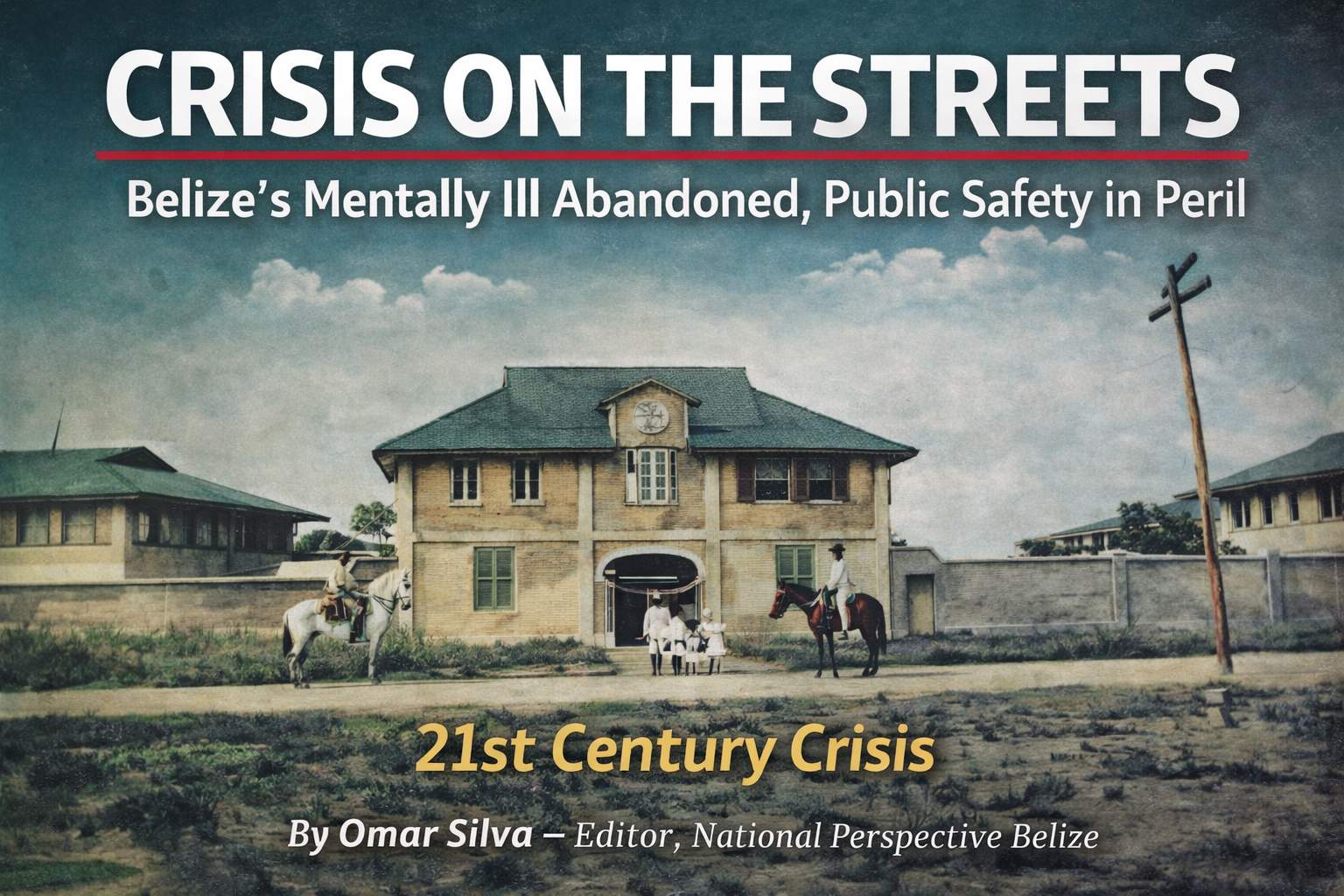
But it’s more than expert coordination we need—it’s political will. For decades, both the PUP and UDP governments have treated mental illness as a side issue. Not since the destruction of Seaview Mental Health Hospital on Newtown Barracks in the early 1980s—burned down during a film shoot—has Belize made any attempt to rebuild its psychiatric infrastructure.
Why? Because the mentally ill do not vote, do not lobby, do not strike.
Enough Promises. The People Demand Action.
Mental illness is not a moral failure. It is not criminal behaviour. It is a chronic health condition—like diabetes, like cancer—and deserves the same attention, resources, and urgency. We need:
- A National Psychiatric Ward, staffed with certified psychiatrists, nurses, and trauma specialists.
- A Forensic Mental Health Unit to stabilize individuals in crisis before they harm others or themselves.
- Legislative Reform to empower psychiatric teams—not just police—to intervene in acute episodes.
- Mobile Mental Health Clinics and Community Housing Solutions for the homeless mentally ill.
- And a transparent budget line item in the national health plan, not just more “policy” rhetoric.
Street Justice Is Not Justice. Government Inaction Is Violence.
The government’s silence and inaction are not neutral—they are violent. Every woman like Kendra Hamilton left traumatized, every man like Kareem Anderson left untreated, every decomposing body found in an abandoned shack is proof of a system that has failed utterly.
To the Ministry of Health & Wellness: you have blood on your hands. To the Prime Minister: your words about human rights and wellness ring hollow. To the opposition: where is your outrage now, when it is most needed?
And to the people of Belize: speak up. This is no longer just about mental health—it is about public safety, dignity, and the right to exist with care, not fear.
Let us rise as a nation to demand—not request—that the next budget includes real investments in mental health infrastructure. Let us ensure that no more families are left alone, no more women attacked, and no more Belizeans abandoned to die silently in alleys and abandoned buildings.
This crisis is no longer manageable. And we will no longer be silent.
Omar Silva
Editor-Publisher, National Perspective Belize
Founder, FUTURE Belize Regeneration & Transformational Movement
- Log in to post comments