When a City Sleeps: Eight Years of Inaction and the Traffic Crisis Now Bearing Down on Belize City
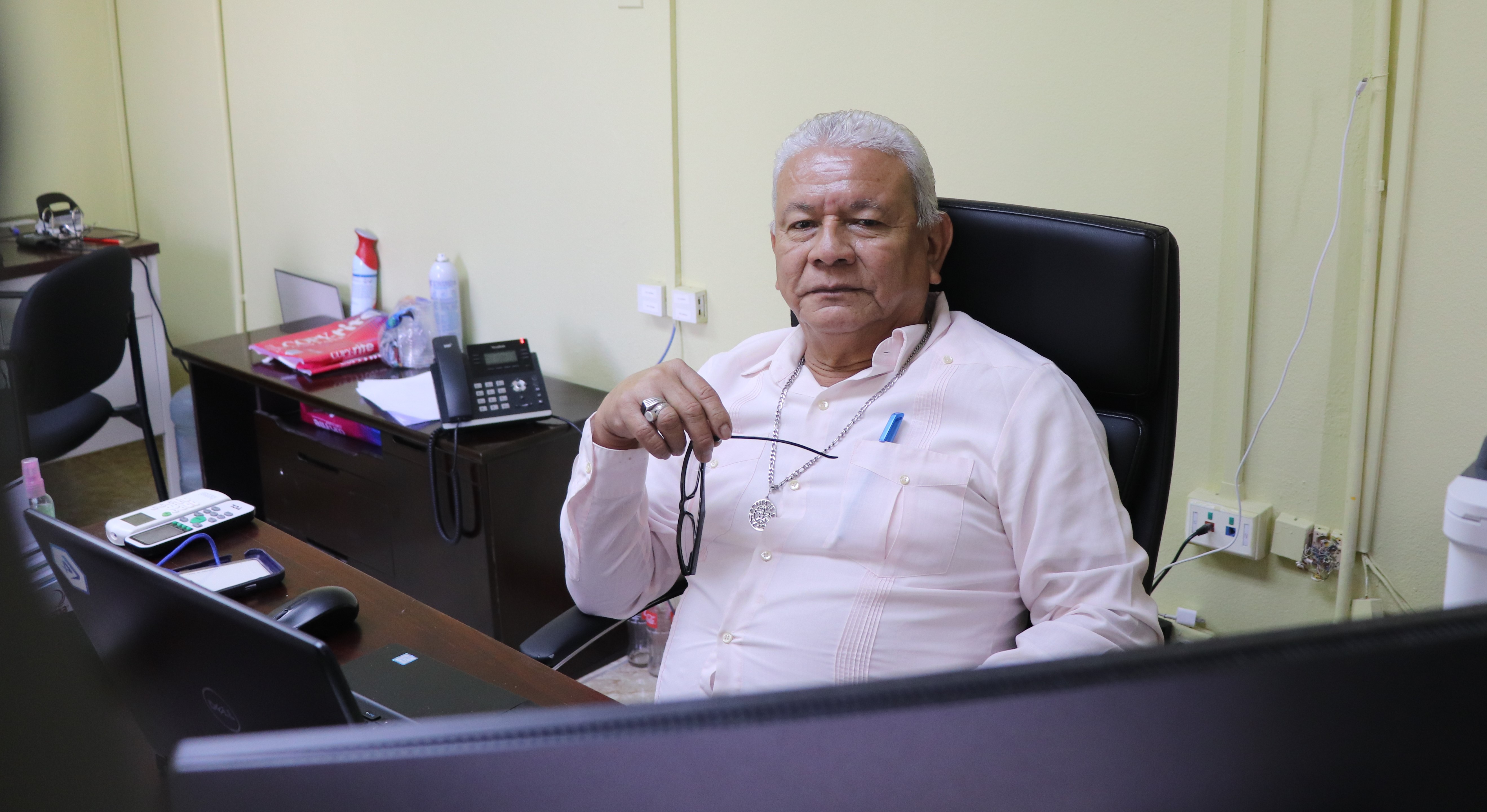
By: Omar Silva – Editor/Publisher
National Perspective Belize – Digital 2026
Belize City: Thursday 5th March 2026
EDITORIAL
There are moments in the life of a city when problems grow slowly enough that leaders convince themselves they can ignore them. Then there are moments when those problems finally arrive all at once, exposing years of complacency.
Belize City is now at that moment.
For eight years the leadership of the Belize City Council under Mayor Bernard Wagner has presided over a steadily worsening traffic crisis without presenting a single transformative initiative capable of managing the future of mobility in the nation’s largest economic hub.
Since their election in 2018, the council has had ample time to confront a reality that every commuter has witnessed daily: thousands of vehicles entering Belize City each morning from the northern, western, and southern districts, pouring into narrow colonial-era streets never designed for the weight of modern traffic.
Yet in eight years the city has produced no serious urban mobility strategy.
- No park-and-ride system.
- No structured traffic demand management.
- No downtown circulation redesign.
- No coordinated public transport modernization.
Nothing.
Instead, the city quietly surrendered precious road space by converting large portions of public streets into reserved parking for banks, businesses, offices, and commercial establishments. Every parked vehicle consumes road capacity, shrinking the already fragile lanes through which thousands of commuters must pass each day.
The result is a daily spectacle familiar to every Belizean who works in the city: traffic crawling across bridges, vehicles trapped in endless queues, and commuters losing precious time simply trying to move a few miles.
And now, after years of silence and inaction, the public is being told to prepare for massive disruptions as major infrastructure works begin.
The replacement of the Belcan Bridge and the historic Swing Bridge will undoubtedly be necessary. But infrastructure alone cannot solve a problem that leadership refused to address when it was still manageable.
In fact, if these projects proceed without a comprehensive traffic management strategy, the situation could worsen dramatically. Commutes that already take thirty minutes could stretch toward an hour. Bottlenecks that frustrate drivers today could become daily gridlock tomorrow.
What is most troubling is that the data presented by city officials themselves reveals the heart of the problem.
According to the traffic survey conducted with assistance from the Japan International Cooperation Agency, 84 percent of vehicles crossing Belize City’s bridges are private cars, most carrying fewer than two passengers.
- Belize City is not moving people efficiently.
- It is moving cars inefficiently.
And leadership has done nothing meaningful to change that reality.
Cities around the world have confronted the same crisis and responded with bold policies that regulate traffic flows, encourage shared mobility, and protect road capacity. One of the simplest examples is Mexico’s widely known traffic management program, “Hoy No Circula”, which alternates vehicle circulation days based on license plate numbers.
The concept is simple: fewer cars on the road means faster movement for everyone.
It is the kind of policy conversation Belize City should have started years ago.
Instead, residents are now being told that they must “sacrifice” during the coming construction period.
Sacrifice for what?
For eight years of missed opportunities.
For eight years of leadership that watched traffic congestion grow without presenting a single innovative policy to prepare the city for the future.
Cities do not stagnate because they lack money. They stagnate because they lack imagination.
Belize City does not merely need new bridges.
It needs leadership willing to think beyond the next press conference and confront the structural problems of a city that has long outgrown the transport system imposed upon it decades ago.
Until that happens, Belize City will continue to experience the same daily ritual: thousands of vehicles creeping slowly through streets designed for another era while the promise of transformation remains just another speech at another town hall meeting.
And a city that once stood as the commercial heartbeat of the nation risks becoming something far less inspiring — a place where the future is always discussed but never planned.
“A city does not fall into gridlock overnight — it happens when leadership spends years asleep at the wheel.”
- Log in to post comments