
BELIZE’S $50 MILLION CUT — WHERE IS THE LEDGER?

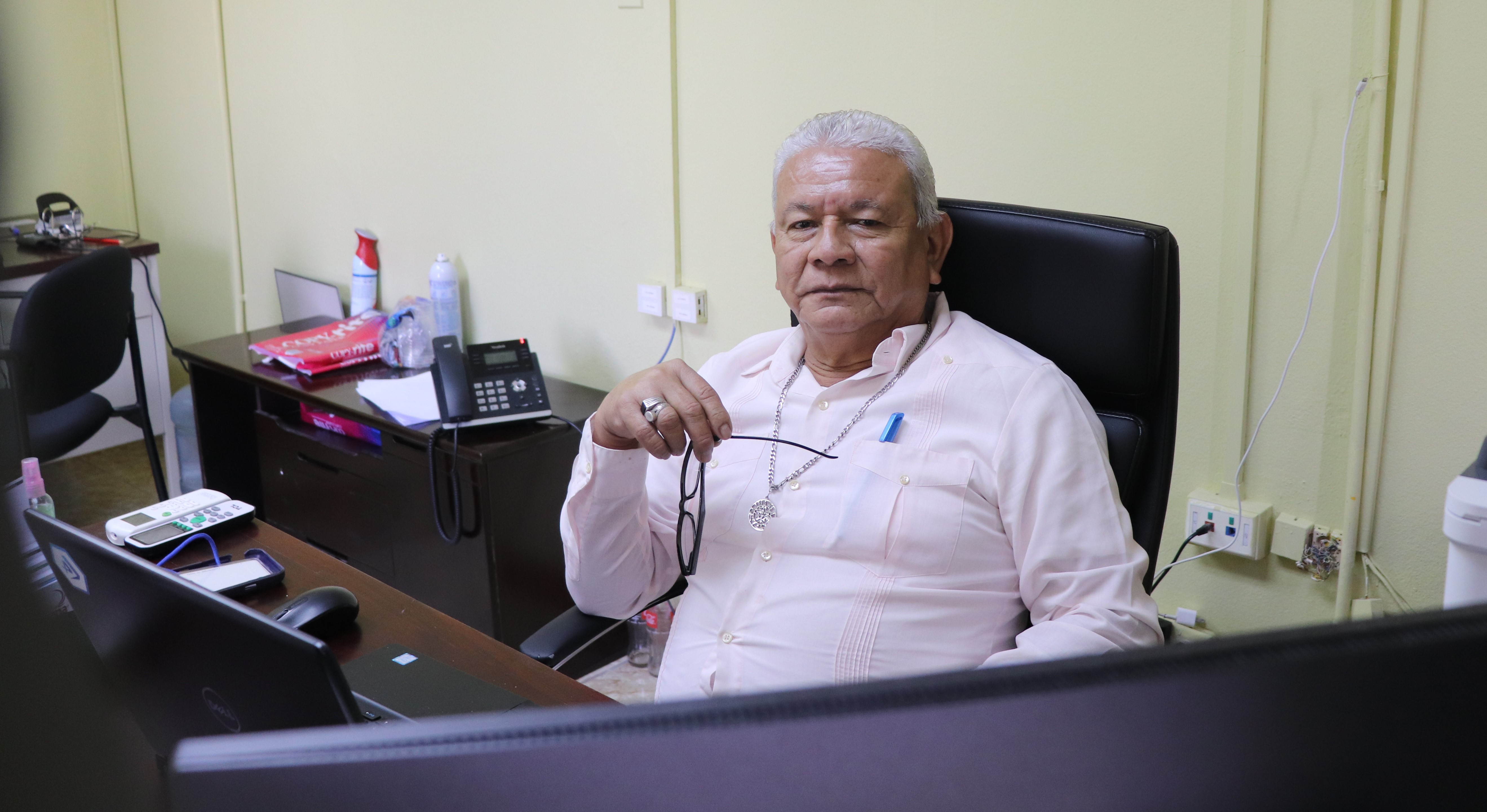
The Government promises relief at the pump, in the shops, on the light bill and in our communities. Belizeans deserve to see which savings can pay for that relief, which promises still need financing, and what public services will bear the cost.
Special Feature
Belize City: Friday | 13th November 2026
A family facing a leaking roof, a high light bill and another expensive trip to the grocery shop has a simple question for the Government. Which of these announcements will change what we pay, and when?
The November 12 House sitting gave Belize a round number. Prime Minister John Briceño said the Government would reduce spending by about BZ$50 million, with BZ$35 million coming from goods and services and BZ$15 million from Capital II. He also spoke of continued fuel tax relief, more money for housing and municipal works, a January GST holiday, and more than BZ$150 million in assistance and prepayments to Belize Electricity Limited by the end of December.
The public needs to see these figures on the same page, against the same budget baseline, with dates and funding sources attached.
A cut on paper and a saving at Treasury
The Prime Minister used both 35% and 25% when explaining the BZ$35 million goods-and-services target. On the face of the remarks, the percentages appear to refer to different spending bases, one broader and the other tied to purchases ministries can still control. If BZ$35 million represents 25% of a spending base, that base is BZ$140 million. If it represents 35%, the base is BZ$100 million. The Ministry of Finance should publish both denominators and the commitment schedules behind them so the House can verify the calculation.
A ministry that cancels unneeded purchases can free money this year. A ministry that pushes the necessary repair into April may hand next year’s budget a larger bill. A ministry that delays payment for work already done leaves its supplier carrying the cost. Those are three different outcomes. The same distinction applies to the BZ$15 million from Capital II. Every project affected should have a name, a revised budget and a date.
The 50% ministerial allowance cut attracted attention. Minister Louis Zabaneh put the saving at around BZ$200,000 a year. Finance should say when the cut started and whether its in-year proceeds are already included in the BZ$35 million. The scale of the larger target means most of the adjustment will come from decisions elsewhere.
Follow the money into the constituencies
BZ$3 million in additional housing assistance can buy materials that keep rain out of a family’s home. The Prime Minister said area representatives on both sides would have access and that continued disbursements depend on receipts. That answers how a purchase is documented. It leaves a separate question for the household waiting on help. How does it get onto the list?
A public program should give a resident a way to apply directly, learn the criteria, receive a decision and request a review. Constituency totals can show how many households applied, how many received help and how much was spent without publishing private details. The same rules should apply in every constituency.
The BZ$30 million announced for municipalities raises a different question. The Prime Minister said money was already being forwarded. Which transfers came from existing allocations? How much is newly available? Which drains, culverts and streets are on the list, and what are their budgets? Repairing a drain before the next heavy rains can spare households another round of losses. The value of the announcement depends on the work reaching the street.
Relief at the shop depends on what a household can buy
The January 23–24 GST holiday is aimed at the period when cash is tight after Christmas. It can lower the price of eligible purchases if retailers pass through the tax change. A household with money for a large shop can take fuller advantage than one that buys food a day at a time. Publish the covered items before the weekend and compare actual shelf and checkout prices.
Grocery assistance reaches households through a different route. Zabaneh said the grocery bag program would double. Government needs to specify whether that means twice as many households, more frequent deliveries or more goods per household. The Prime Minister’s review of about 40 food products also needs a clear definition. Changing a tax list affects what shoppers pay. Changing pantry contents affects what participating households receive. Either decision should state its cost, reach and nutrition criteria. Any plan to procure more Belizean-grown food should identify reliable suppliers, seasonal volumes, delivery costs and payment terms.
At the pump, Briceño estimated BZ$60 million in forgone fuel revenue for the full fiscal year. A pump-price cushion can be felt immediately. A lasting reduction in what it costs to move people and goods depends on other factors, including vehicle efficiency, transport logistics and exposure to imported fuel prices. Finance should publish the pump-price effect by fuel grade and the amount of relief that was already built into the budget forecast.
The test for income tax is the pay slip
Cabinet asked the Belize Tax Service to assess options for earners between BZ$29,000 and BZ$50,000. The 2024 amendment already provides a basic deduction above BZ$29,000 and a transitional credit for qualifying earners up to BZ$32,000. The starting point is what workers actually pay under those rules.
Show what changes on payslips at BZ$30,000, BZ$35,000 and BZ$50,000. Say what income a possible 15% rate would apply to, what it would cost annually, and where recurring revenue would come from. Workers who already owe no personal income tax will see no direct gain from another income-tax reduction. Abolition can remain a political ambition until there is a costed plan for financing the services the tax helps pay for.
Keeping the lights on while Belize builds capacity
Briceño’s figure of more than BZ$150 million combines assistance and prepayments to BEL. An advance payment for Government electricity bills brings cash forward and can reduce what Government pays later. An equity injection, a loan and a direct subsidy each have different consequences. The public needs the amounts and dates for each instrument, the source of the cash and the obligations still outstanding.
Then there is the electricity Belize expects to buy. The Prime Minister cited 14 MW of solar at La Democracia and other expected solar and battery milestones. A solar site being cleared is an early sign of activity. Consumers need contract prices and commissioning dates. Battery power measured in megawatts tells Belize how much electricity a system can deliver at once. Storage measured in megawatt-hours tells us how long it can keep delivering. The quoted cents figures also need currency, a price per kilowatt-hour and clarification of whether storage charges include the cost of charging and energy losses. Any effect on bills should be traced through BEL’s costs and the Public Utilities Commission’s tariff process.
The separate World Bank storage program has a financing structure on paper. Its appraisal lists a US$50 million IBRD loan, a US$8.2 million loan and a US$200,000 grant from the Canada Clean Energy and Forests Climate Facility. That identifies existing project financing, while procurement, disbursement, commissioning and any further funding gaps still require verification. If a different solar or storage project needs another public loan, name the borrower, show the terms and say who bears the repayment risk.
Put the revised budget before the country
The Ministry of Finance’s approved estimates began the year with a projected BZ$110.3 million overall deficit. The public now needs a revised statement showing which expenditure falls, which new spending is authorized, what revenue is forgone and what financing covers the difference. Put beside it a monthly record of cash actually saved, and cash actually delivered. Then a worker, a contractor and a family waiting for roof repairs can all see where they stand.
The Government has put BZ$50 million before the country. The House should now ask for the ministry lines, project names, payment dates and funding sources that make up that figure. That ledger is where the November announcement becomes a public program Belizeans can hold their government to.
Daily follow-up series
Installment
Reporting question
First records to obtain
1. Where are the BZ$50 million in cuts?
Which savings are real this year, which are deferred, and which services absorb the cuts?
Ministry circular, Treasury commitment and cash schedules, Capital II project changes, allowance payroll totals.
2. Who gets the housing money?
Can a household qualify through a transparent process it can use directly?
Allocations, application and selection rules, receipts requirements, anonymised awards and review process.
3. Where is the municipal BZ$30 million going?
What is new, what has been paid, and what work can start with existing capacity?
Transfers by council, project lists, tenders, contracts and completion dates.
4. What does fuel relief save at the pump?
Who benefits, what does it cost and how long can it last?
Tax and pump-price schedules by grade, volume data and the fiscal forecast.
5. Who can afford to shop on a GST-free weekend?
What passes through to shoppers, and what do pantry and basket changes do for families short of cash?
Belize Tax Service rules, sample receipts, existing basket lists, grocery programme budget, procurement and participation counts.
6. What would income-tax relief put in a payslip?
Which workers gain and how would Belize fund a permanent change?
Belize Tax Service scenarios, draft amendments or orders, revenue and distribution estimates.
7. Is BEL being stabilised, and who finances the transition?
What are taxpayers paying now, what capacity is financed, and what remains unfunded?
Government and BEL transaction schedules, power purchase contracts, PUC filings, loan and grant documents, disbursements and commissioning milestones.
By: Omar Silva – Editorial Director/Publisher @ www.nationalperspectivebz.com
National Perspective Belize – Digital |
- Log in to post comments
