Dialysis in Belize: A National Health Emergency Decades in the Making
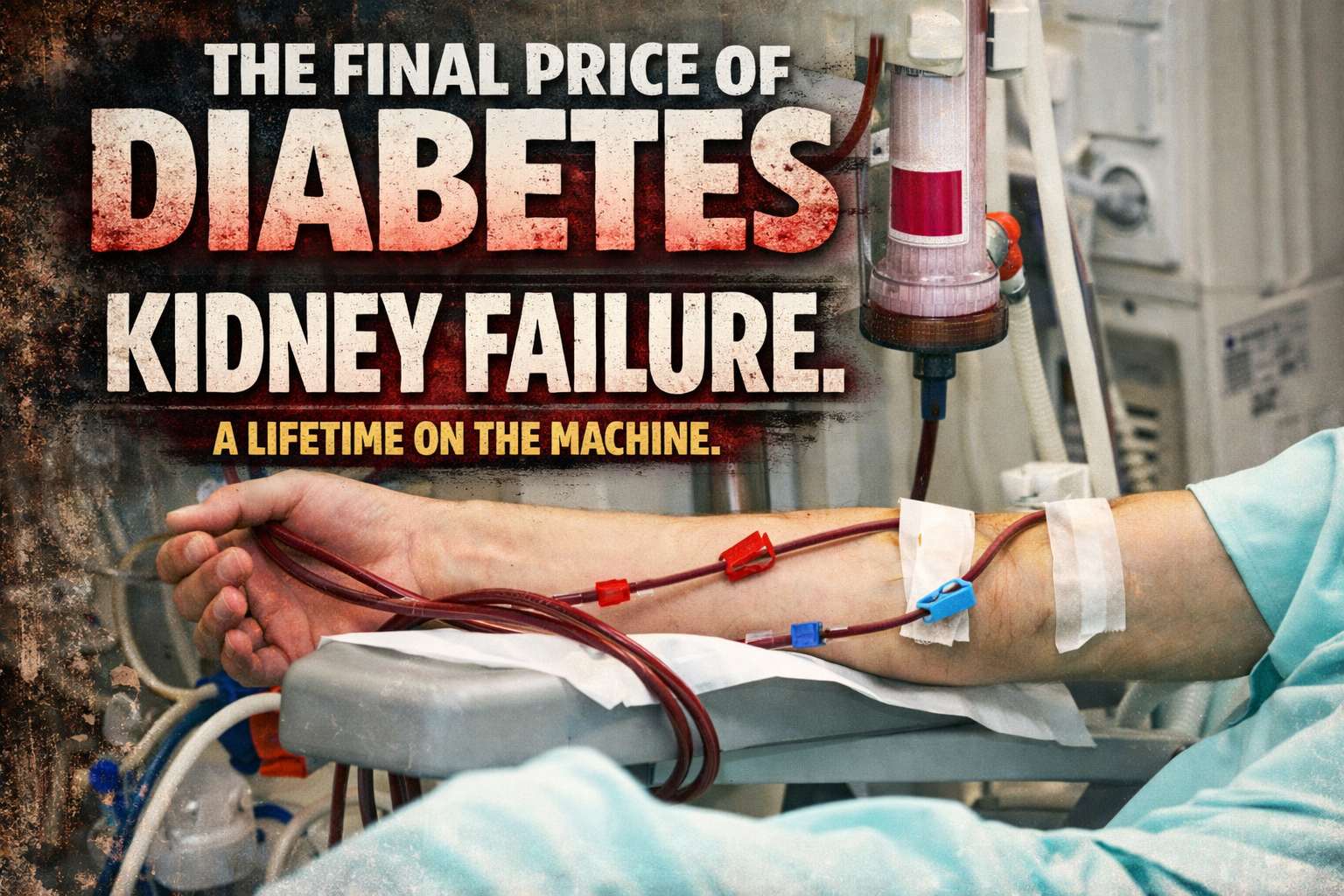
How Political Neglect, Toxic Food Environments, and Policy Failure Created One of Belize’s Most Expensive Human Crises
By: Omar Silva I Editor/Publisher
National Perspective Belize I Digital 2026
Belize City: 14th January 2026
N.P.'s Investigative Desk
Across Belize, dialysis is no longer just a medical treatment. It has become a word that terrifies families, drains public resources, and exposes one of the deepest failures in national governance. Clinics struggle to cope. Patients queue anxiously for life-sustaining treatment. Families restructure their entire existence around machines. Government scrambles for funding.
But dialysis did not suddenly arrive in Belize like a natural disaster.
This crisis was engineered slowly over decades — through neglect, political short-sightedness, policy avoidance, and the deliberate failure to invest in prevention.
This is the story Belize must confront honestly.
The Road to Dialysis Begins Long Before the Machine
Medical professionals agree on a harsh reality:
Most dialysis patients in Belize did not suddenly become ill.
Their condition typically begins 10 to 20 years earlier with:
- Undiagnosed diabetes
- Poorly managed hypertension
- Obesity
- Chronic dehydration
- Excessive consumption of processed foods
- High sugar intake
- Long-term use of over-the-counter painkillers
- Lack of routine medical screening
These are not rare conditions. They are now commonplace across Belizean households.
Yet for decades, Belize operated without:
- A strong national diabetes prevention program
- Mandatory adult screening protocols
- Aggressive public nutrition education
- Strong food labeling enforcement
- Regulation of ultra-processed imports
- A coherent long-term public health strategy
Instead, the system waited until kidneys failed.
A Toxic Food Environment Governments Allowed to Flourish
One cannot discuss dialysis without confronting the food economy governments permitted to dominate Belizean life.
Walk into any village shop, school canteen, or neighborhood grocery and the evidence is unavoidable:
- Sugary sodas cheaper than water
- Ramen noodles as daily meals
- Highly processed snacks replacing traditional foods
- White flour dominating diets
- Fried foods normalized from childhood
- Fast food marketed as convenience culture
- Imported processed meats replacing local produce
These products are not accidental. They are aggressively marketed. Cheaply imported. Poorly regulated.
Successive governments failed to:
- Implement meaningful sugar taxes for health protection
- Enforce strong food labeling standards
- Regulate marketing of unhealthy foods to children
- Promote national nutrition reform
- Protect traditional Belizean diets
- Make healthy food affordable
The result is a population systematically nudged toward chronic disease — while the state watched passively.
The Political Economy of Neglect
-Prevention is not glamorous.
-Prevention does not generate ribbon-cutting ceremonies.
-Prevention does not deliver immediate political headlines.
Dialysis machines, however, do.
This is where political incentives became distorted.
Instead of investing heavily in:
- Community health clinics
- Regular screening outreach
- Mobile testing units
- School-based nutrition programs
- Preventive healthcare workforce
Budgets remained reactive:
- Crisis funding instead of early investment
- Emergency spending instead of strategic planning
- Tertiary care prioritized over primary care
Belize built a system that only intervenes when the patient is already dying.
Why Dialysis Is So Expensive — And Why That Matters
Dialysis is not expensive because of inefficiency alone. It is inherently costly because it depends on:
- Imported machines
- Imported consumables (filters, tubing, chemicals)
- Highly trained specialized staff
- Frequent weekly treatment (3–4 sessions per patient)
- Long-term dependency (often for life)
- Private-public service arrangements
- Infrastructure-intensive clinics
Each dialysis patient represents tens of thousands of dollars annually in healthcare expenditure.
This means:
- A small patient population consumes a disproportionate share of national health resources
- Clinics, rural health services, maternal care, and preventive programs suffer budget reductions
- Health inequity worsens
- The system becomes financially unsustainable
Dialysis is necessary. But it is also the most expensive point of intervention in a chain of disease that could have been disrupted earlier.
The Hidden Human Cost
Behind every dialysis statistic is a life dramatically altered.
- Parents unable to work full-time
- Families burdened with transport costs multiple times per week
- Children forced into caregiving roles
- Emotional burnout
- Psychological distress
- Economic instability
- Communities absorbing silent trauma
Dialysis does not just treat kidneys. It restructures entire households.
And yet, the majority of these cases could have been prevented with early intervention.
Late Diagnosis: A National Failure of Detection
Belize continues to suffer from widespread late-stage diagnosis.
Many patients only discover they are diabetic when:
- Vision begins to fail
- Wounds no longer heal
- Fatigue becomes disabling
- Kidneys are already severely damaged
Stage 4 or Stage 5 diagnosis means dialysis is often inevitable.
This is not patient negligence alone. It reflects:
- Poor access to regular testing
- Weak primary healthcare outreach
- Lack of routine screening culture
- Insufficient community-based healthcare investment
Countries that invested in early screening dramatically reduced dialysis rates. Belize did not.
The Dialysis Trap: A System Locked Into Crisis Spending
Belize now finds itself trapped in a vicious cycle:
- More diabetes → more kidney failure
- More kidney failure → more dialysis demand
- More dialysis demand → higher health expenditure
- Higher expenditure → less funding for prevention
- Less prevention → even more diabetes
Without structural reform, this cycle will continue indefinitely.
No national budget can sustainably support an ever-growing dialysis population.
Where Responsibility Truly Lies
This is not a partisan accusation.
This is an institutional reckoning.
Both major political administrations over multiple decades failed to:
- Treat chronic disease as a national emergency
- Invest meaningfully in long-term prevention
- Confront unhealthy import practices
- Regulate corporate food interests
- Reform school nutrition systems
- Prioritize public health over political optics
This failure is structural, not accidental.
And Belizeans are now paying the price — with their bodies, their families, and their tax dollars.
The Only Sustainable Solution: Prevention as National Policy
If Belize is serious about escaping the dialysis crisis, prevention must become national law and national priority.
That means:
- Mandatory annual screening for adults 30+
- Free nationwide diabetes and hypertension testing
- Aggressive public education campaigns
- School nutrition reform
- Regulation of junk food marketing
- Food labeling enforcement
- Taxes on ultra-sugary products
- Incentives for healthy local food production
- Strengthening community clinics
- Training more primary care workers
- Treating chronic disease as a public emergency
This is not optional reform. It is survival policy.
The Truth Belize Must Confront
Dialysis is not the disease.
Dialysis is the consequence.
It is the final stage of a long national failure:
- Failure to govern responsibly
- Failure to protect public health
- Failure to prioritize prevention
- Failure to confront corporate food interests
- Failure to invest early
Until Belize confronts this reality honestly, dialysis machines will multiply, suffering will deepen, and the financial burden will become unbearable.
The question is no longer:
Can Belize afford dialysis?
The real question is:
Why did leadership allow Belizeans to become this sick in the first place?
Editor’s Note: *Dedicated to all you precious souls that suffers silently, ncc
- Log in to post comments